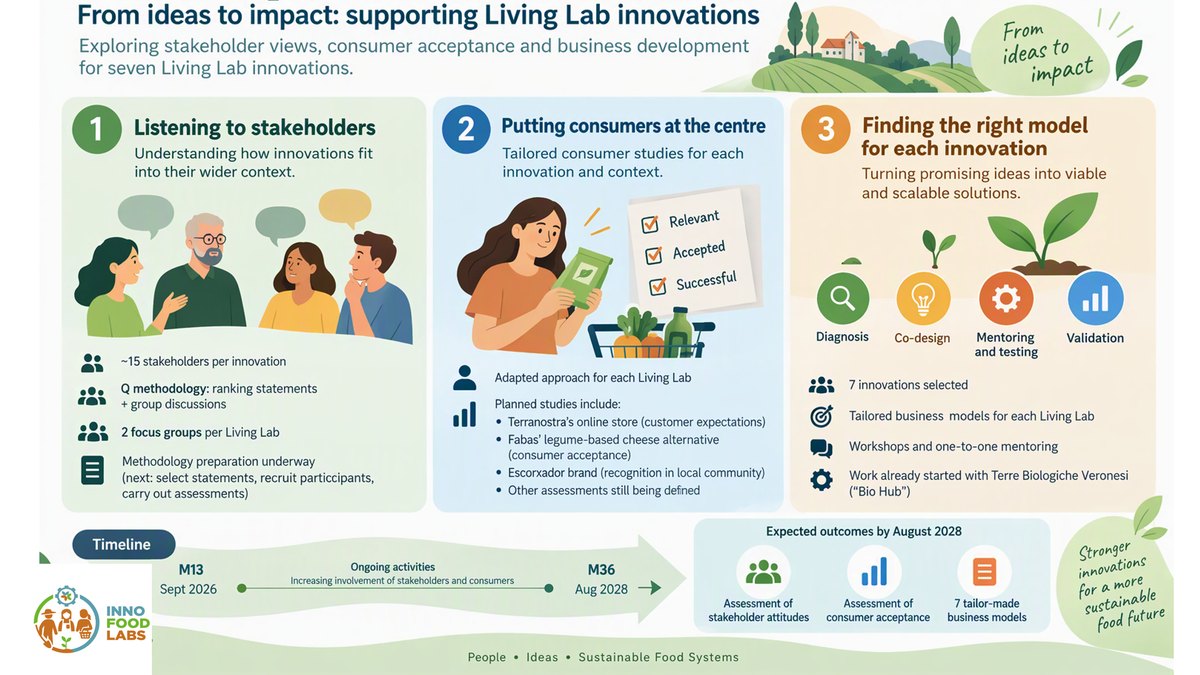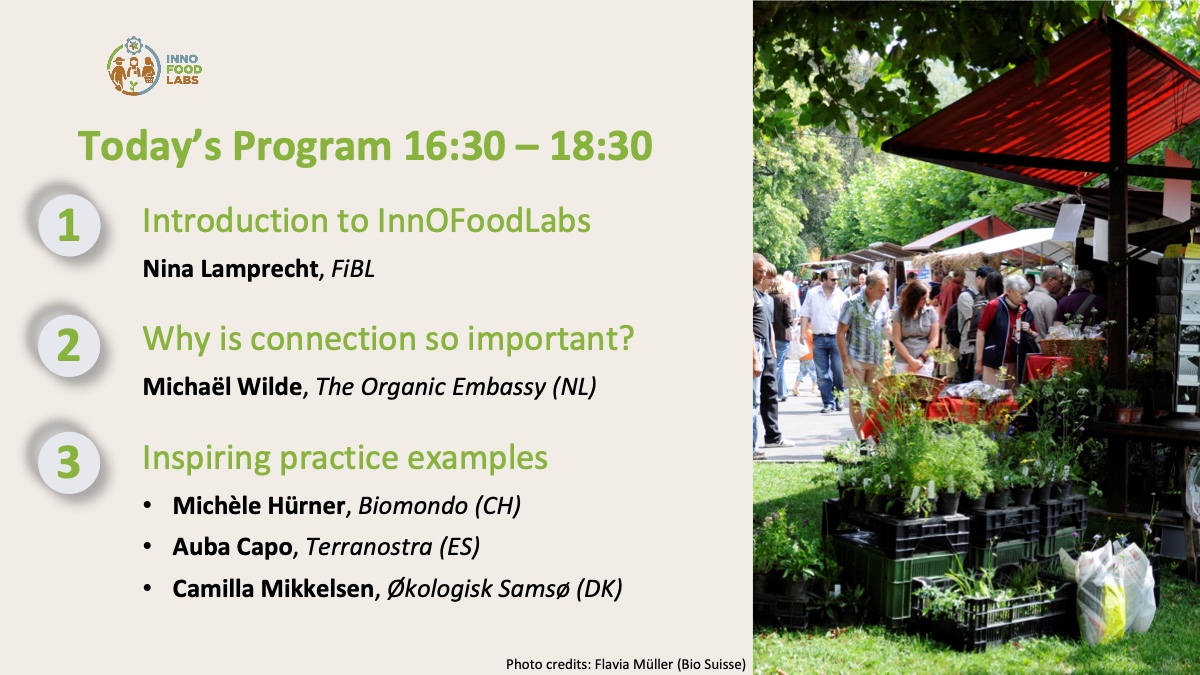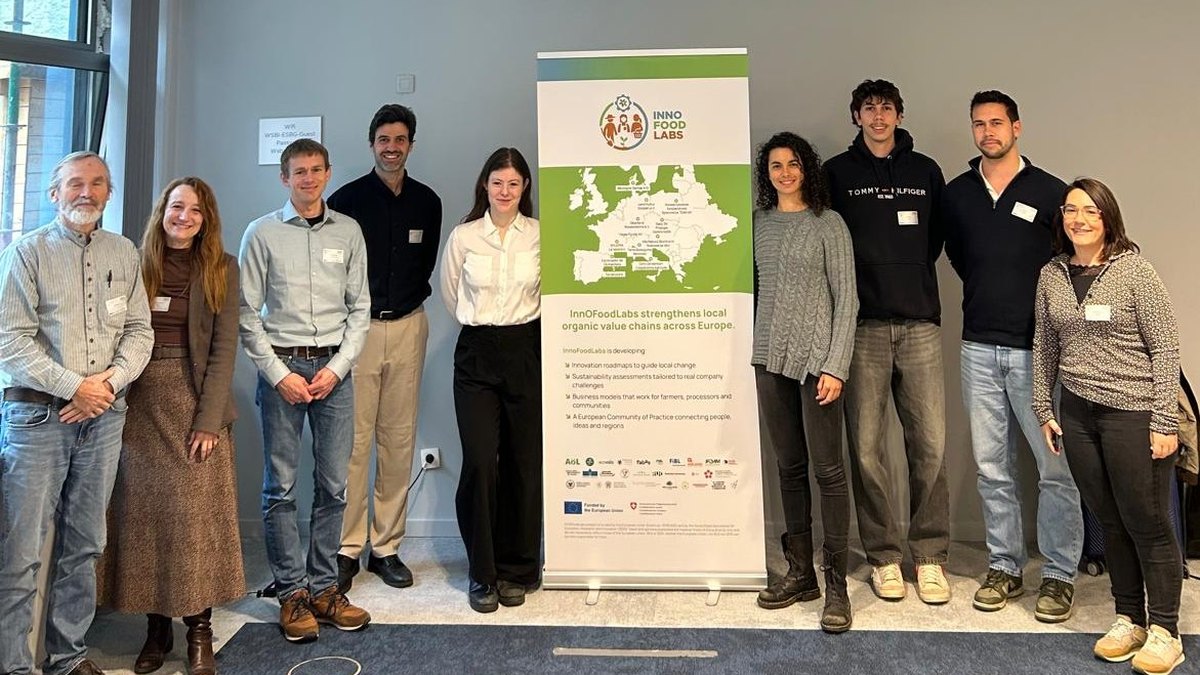
How can innovative ideas become practical solutions that strengthen local organic food systems? At Organic Innovation Days 2026 in Brussels, InnOFoodLabs shared how its 12 Living Labs are moving from defining their innovations to implementation, while contributing to a wider European discussion on what is needed to bring organic innovations to market and support their uptake.
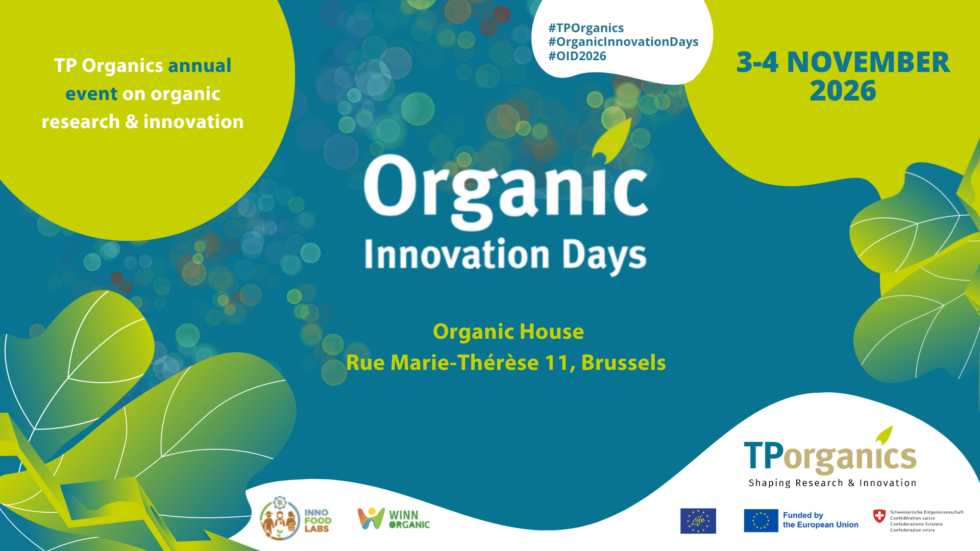
On 3–4 November, researchers, farmers, businesses, policymakers and other actors from the organic and agroecological sector gathered in Brussels for Organic Innovation Days 2026, organised by TP Organics. The event combined discussions on the future of European research and innovation with experiences from Horizon Europe projects, including InnOFoodLabs and WINN-ORGANIC.
The programme also looked ahead to the next Horizon Europe Framework Programme (FP10) and the European Competitiveness Fund, considering how future research and investment can contribute to more sustainable, resilient and competitive European food systems.
From Living Lab ideas to implementation
For InnOFoodLabs, the event was an opportunity to share progress from its first year and show how the project is moving into a new phase.
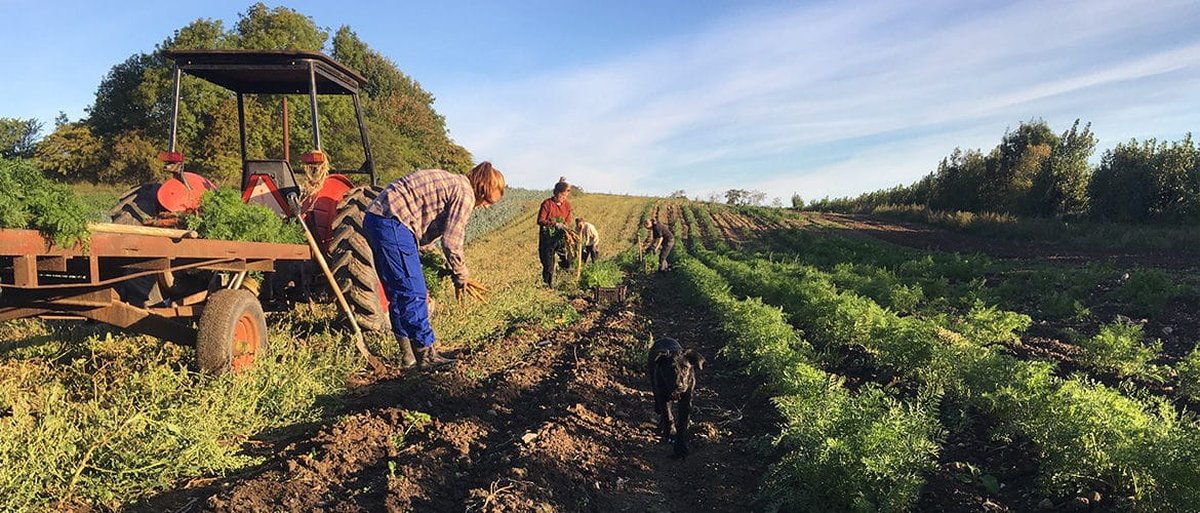
Jorge Del Cueto, InnOFoodLabs coordinator, introduced the project’s approach to creating new opportunities in local organic food value chains by addressing challenges in processing, distribution, retail and marketing through 12 Living Labs in nine European countries.
Benedikt Jahnke then took participants through the innovation process. During the project’s first phase, baseline workshops helped the Living Labs shape their innovations and translate their ideas into Innovation Roadmaps. With these roadmaps in place, the focus has shifted to implementation and monitoring across the Living Labs.
The work spans three interconnected areas: small-scale food processing, stronger links between farmers and processors, and new supply and distribution models, allowing each Living Lab to respond to the needs and opportunities of its territory.
Bringing the Living Labs to Brussels
Two Living Labs showed how this approach is being applied on the ground.
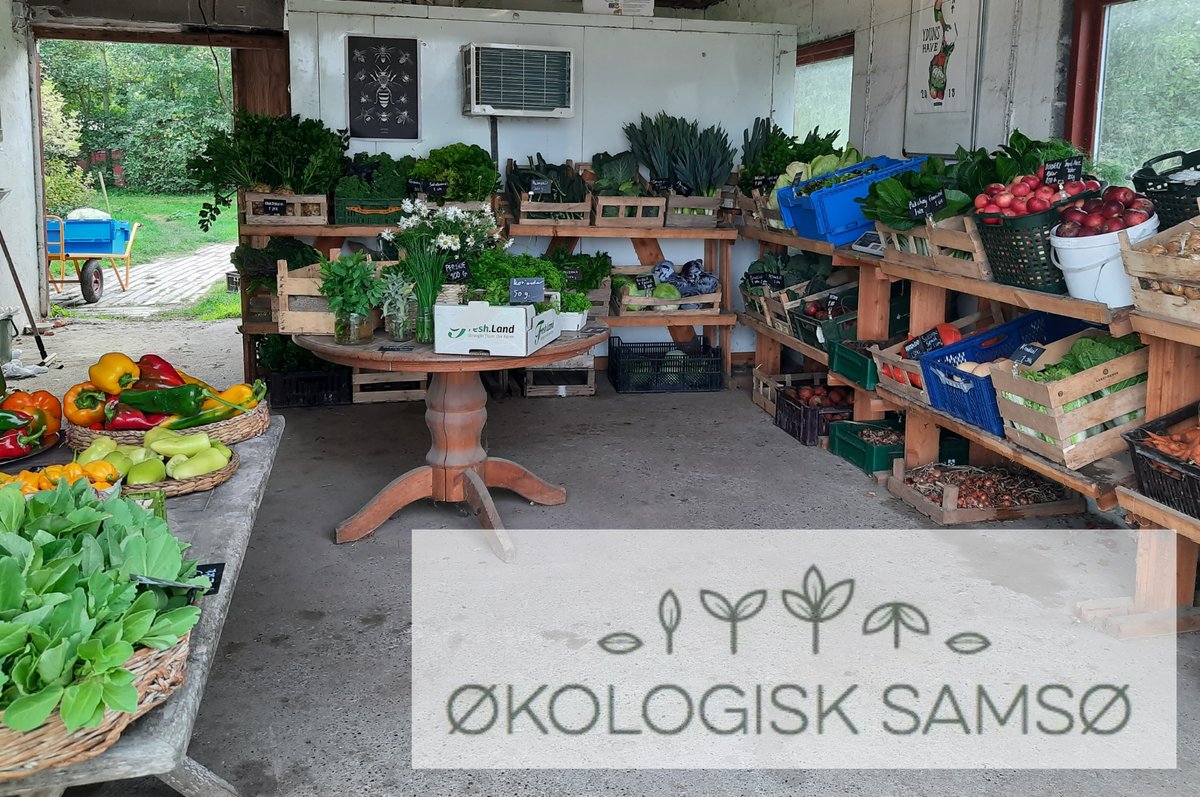
Vila Natura from Slovenia presented its work to strengthen connections between local organic farmers, public kitchens and gastronomy, aiming to make locally produced organic food a more regular part of everyday menus.
Terranostra from Mallorca, Spain, presented two complementary initiatives. Residu Zero aims to reduce single-use packaging by expanding bulk and returnable options, while Terranostra en línea is developing online access to the cooperative’s products in stages, extending from packaged goods to fresh produce and, later, bulk and packaging-free products.
Together, the two examples illustrated how Living Labs can pursue very different pathways while working towards the same goal: stronger and more accessible local organic value chains.
Connecting experiences through the Community of Practice
Alexander Beck presented another key element of the InnOFoodLabs approach: its Community of Practice, which brings together Living Labs, researchers and people from across the organic sector to learn from one another and spread knowledge beyond individual territories.
With 475 members, three international webinars, ten national meetings and two study tours, the Community is building connections between people and initiatives across Europe and creating opportunities for lessons emerging from the Living Labs to be shared more widely.
From project experiences to shared challenges
Following the presentations, the Organic Innovation Quick Jam brought participants together to work on common challenges and explore ideas for the future of organic food innovation. The session connected the experiences of InnOFoodLabs and WINN-ORGANIC with collaborative problem-solving before the programme turned to the conditions needed for successful innovations to expand their reach.
The final panel addressed a fundamental question: what does it take for organic innovations to reach more people and markets?
A recurring issue was the availability of infrastructure and services around farmers and local food businesses. Processing, storage and logistics can determine which markets organic producers are able to access. Local or mobile processing facilities, shared storage and coordinated logistics can offer solutions, particularly where individual producers lack the scale to develop these services independently.
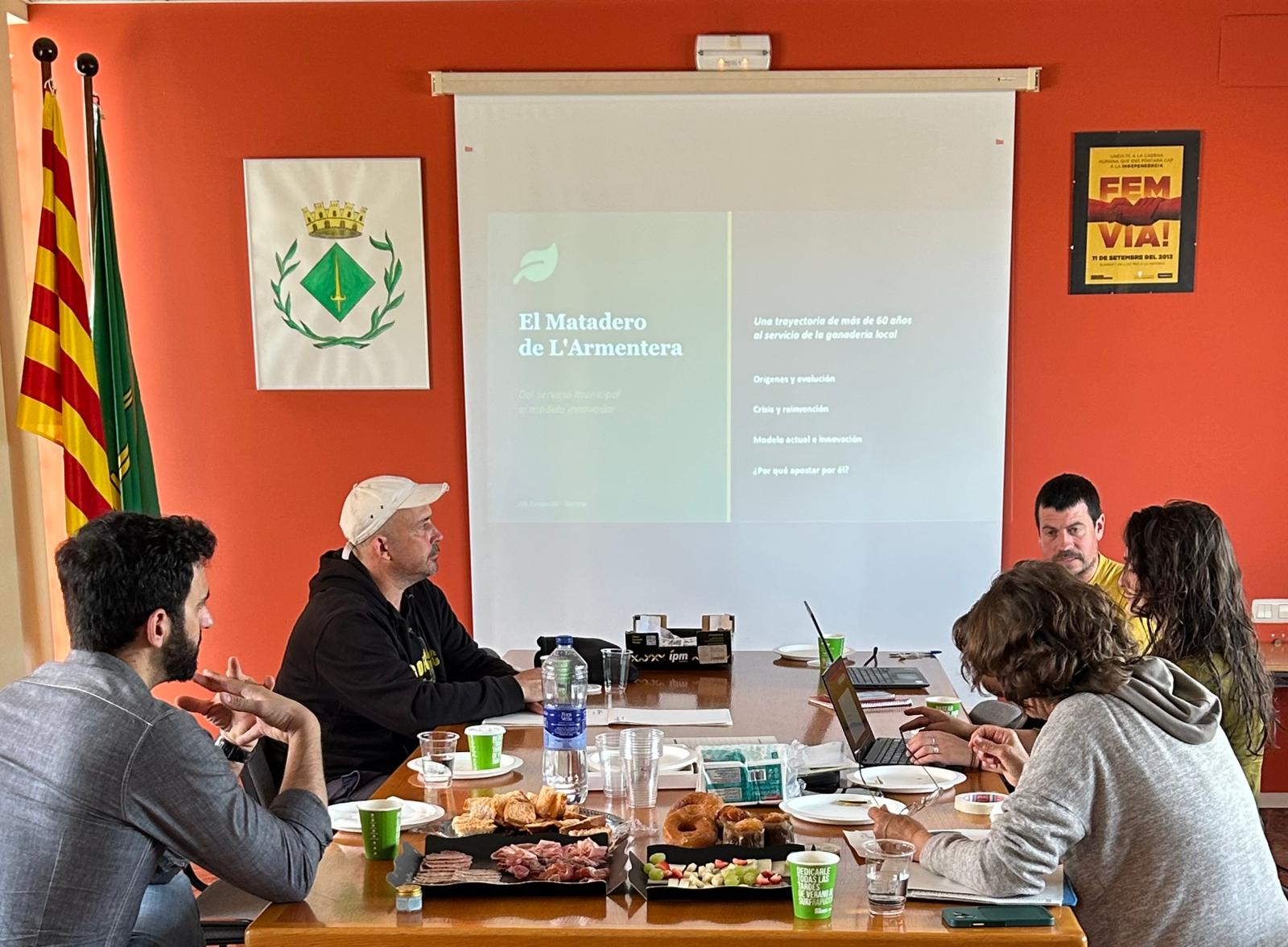
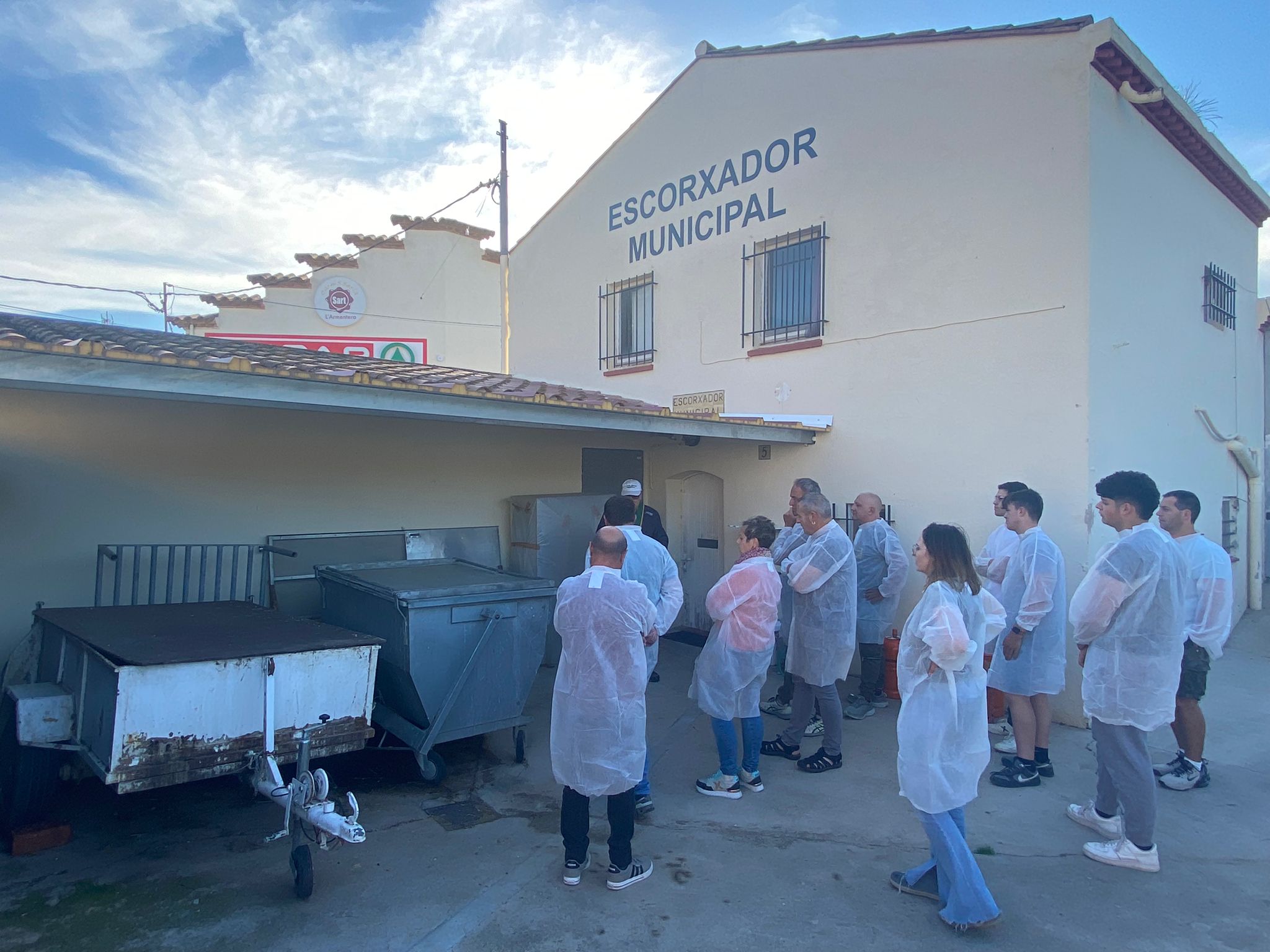
InnOFoodLabs brought an example of the local slaughterhouse in L’Armentera, Spain, which provides essential processing capacity for organic livestock farmers in the surrounding area. The discussion also highlighted the role that cooperatives and territorial initiatives can play in bringing farmers and businesses together to determine where investment is needed and how facilities and services can be shared.
Benedikt Jahnke and Alexander Beck contributed the InnOFoodLabs perspective to the panel alongside Hans-Joerg Lutzeyer from the European Commission and other representatives of the organic research and innovation community.
Connecting local action with the European debate
Across the two days, Organic Innovation Days 2026 linked experiences emerging from local food systems with broader questions about the future of organic research and innovation in Europe. Discussions ranged from collaboration between farmers, processors and other businesses to investment, infrastructure, regulation and the future European funding landscape.
For InnOFoodLabs, these conversations go to the heart of the project. Strengthening local organic value chains requires more than developing new products, services or business models. Farmers, processors, retailers and other actors also need the right infrastructure, partnerships and enabling conditions to turn them into viable opportunities.
Brussels therefore provided not only an opportunity to present the progress achieved during the project’s first year, but also to bring lessons from the Living Labs into a European discussion on how organic innovation can make the journey from development to implementation and broader use.
The next stage of that journey is already underway. Back in the Living Labs, the Innovation Roadmaps are being translated into activities, tested in their local settings and monitored, generating knowledge that can be shared across the InnOFoodLabs community.
A big thank you to TP Organics and its team for organising Organic Innovation Days 2026 and creating a space where experiences from the ground could meet research, policy and new ideas. We also thank our colleagues from WINN-ORGANIC, the European Commission representatives and everyone who contributed to the discussions throughout the two days.